Hot-Dip Galvanizing
A metallurgical bond between zinc and steel, formed at 450 °C, that creates alloy layers capable of protecting the metal for decades.
METALLURGICAL PROTECTION
It does not cover the steel: it becomes part of it.
Unlike paint, which forms only a surface barrier, hot-dip galvanizing immerses iron or steel in molten zinc at roughly 450 °C. The heat triggers a diffusion reaction between both metals and produces a molecular bond with high-strength alloy layers.
This architecture combines a physical barrier with sacrificial cathodic protection, suited to infrastructure exposed to severe weathering, abrasion and long maintenance cycles.
PROCESS
Three stages under control.
Durability begins long before the part is immersed in the zinc bath.
- 01
Surface preparation
Alkaline degreasing for oils and grease; pickling with hydrochloric or sulphuric acid for rust and scale; and fluxing with ammonium and zinc chlorides to prevent re-oxidation and promote adhesion.
- 02
Galvanizing and immersion
The clean part enters the molten zinc kettle at around 450 °C. The steel reaches bath temperature and alloy layers form. Fasteners and threaded parts are centrifuged on withdrawal to spin off the excess.
- 03
Inspection and finishing
Air or water cooling, visual review for lumps, ash or uncoated areas, and magnetic thickness measurement to confirm compliance with the applicable standard.
OPERATIONAL FLOW
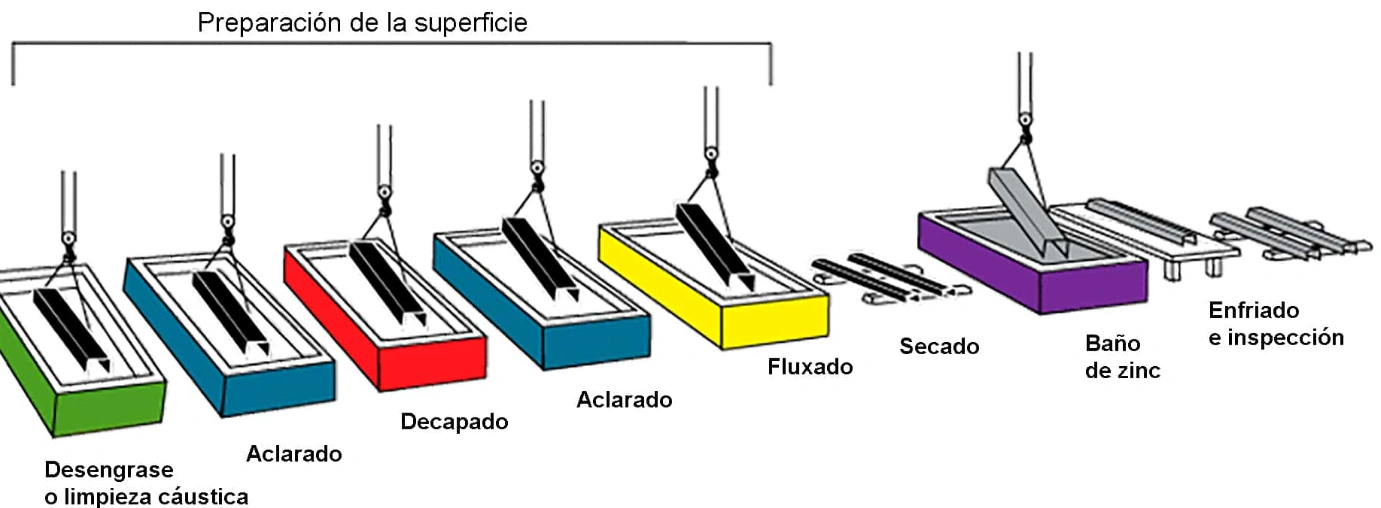
From preparation to inspection.
The client diagram summarises the sequence of cleaning, pickling, fluxing, drying, immersion and final control.
Centrifuged galvanizing for fasteners
ASTM F2329 governs hot-dip zinc applied to bolts, screws, nuts, washers, anchors and threaded rods in carbon or alloy steel. It was written specifically for the fastener industry and replaces the general use of ASTM A153 on these products.
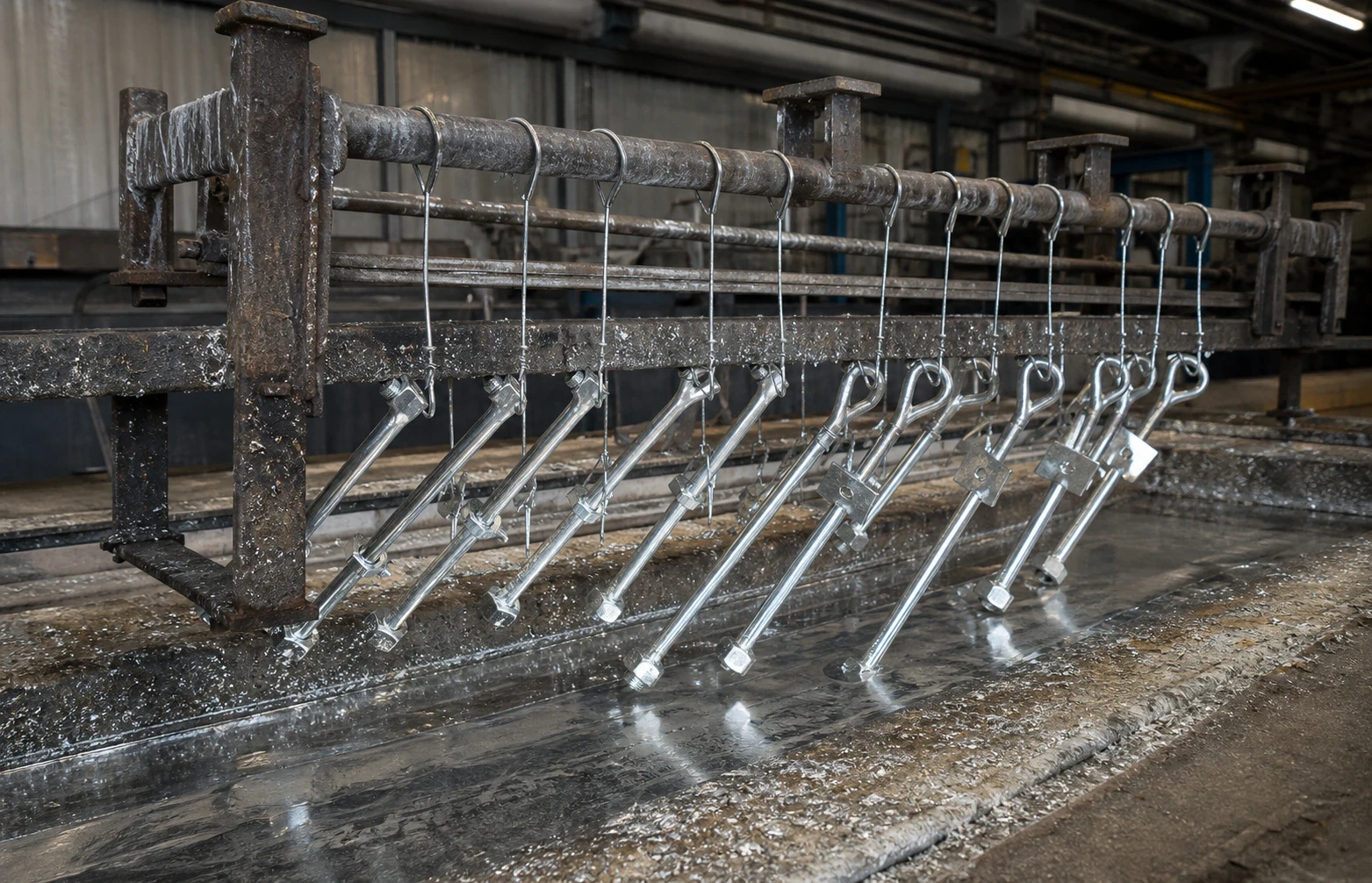
On leaving the molten zinc bath, the parts are immediately centrifuged at high speed. The force spins off the excess before it solidifies, preserves thread functionality and improves finish consistency.
PARTS AND APPLICATIONS
Galvanizing for real geometries and environments.
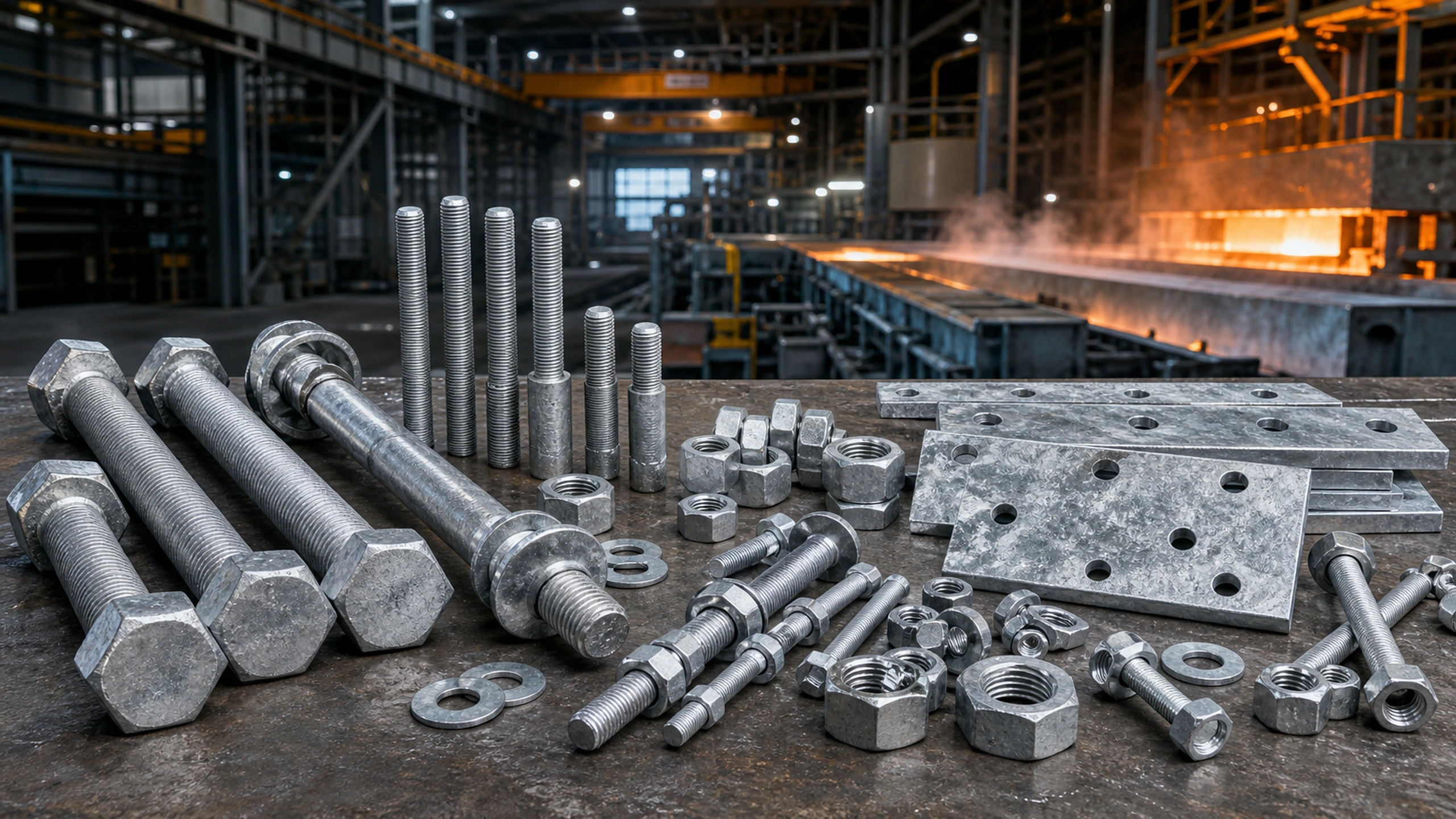
Product samples and application sectors for hot-dip galvanizing.
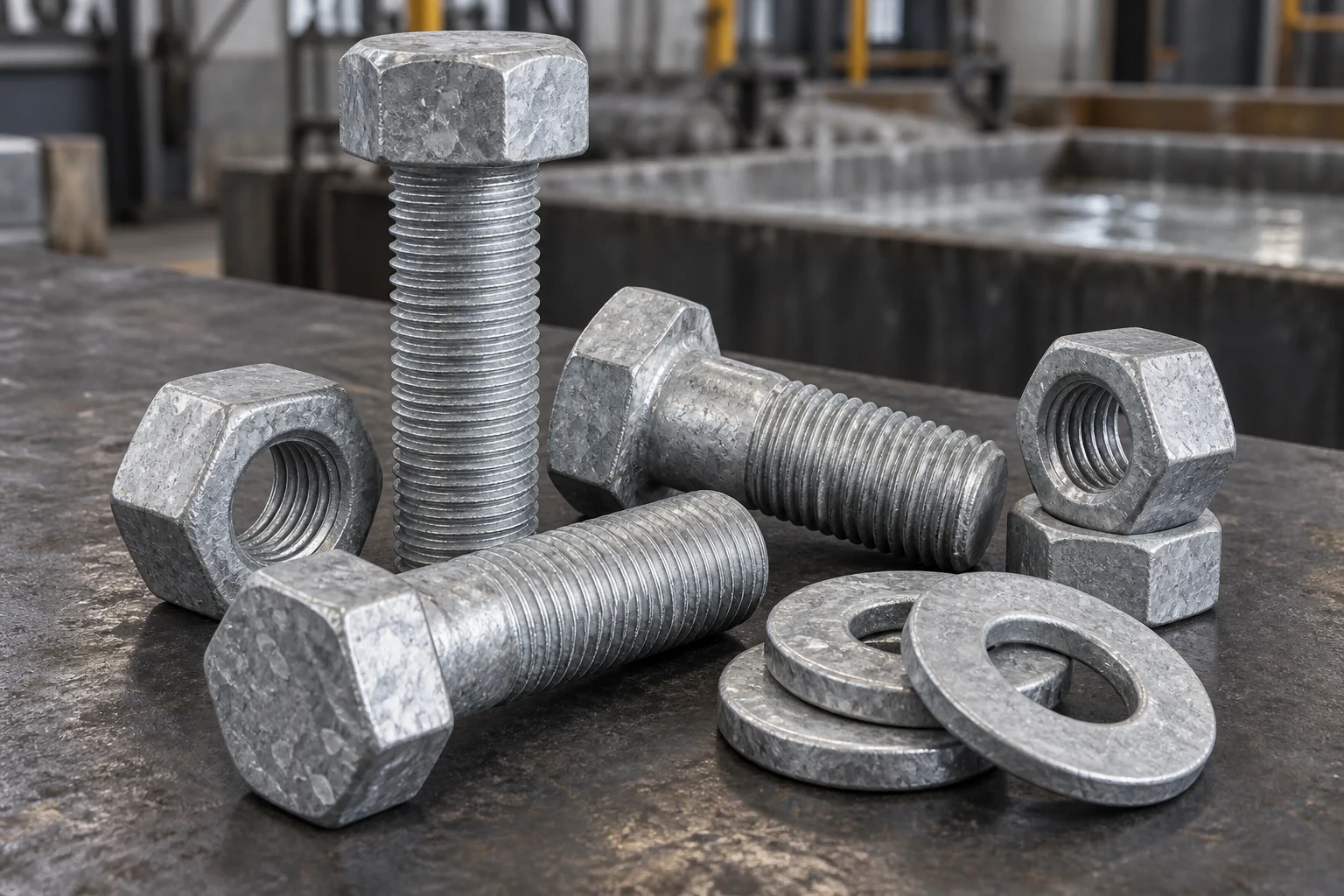
Galvanized fasteners
Robust protection for bolts, nuts and washers.
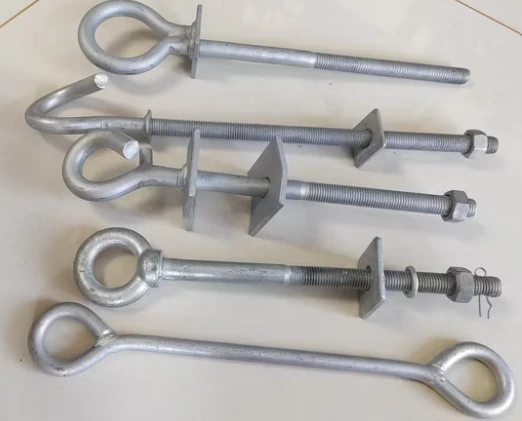
Special anchors
Coverage on welded parts and unconventional geometries.
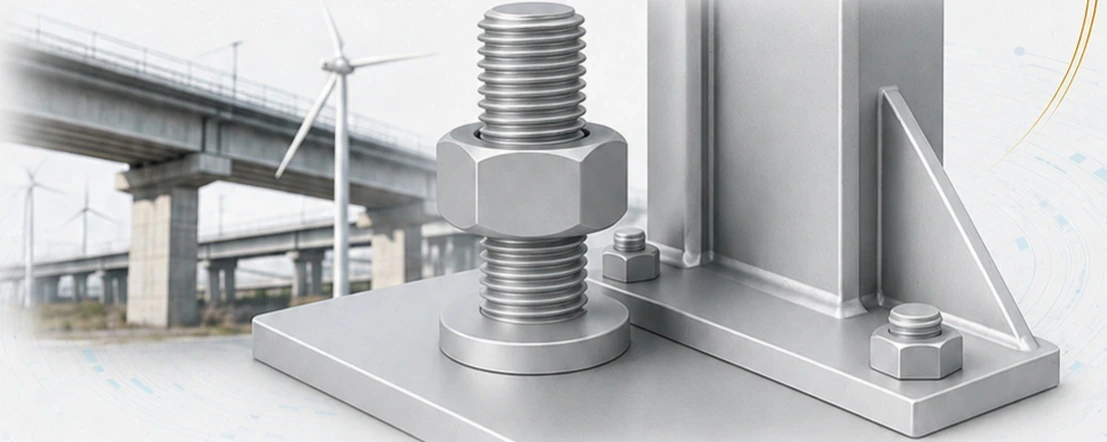
Structural connection
Protection aimed at exposed infrastructure.
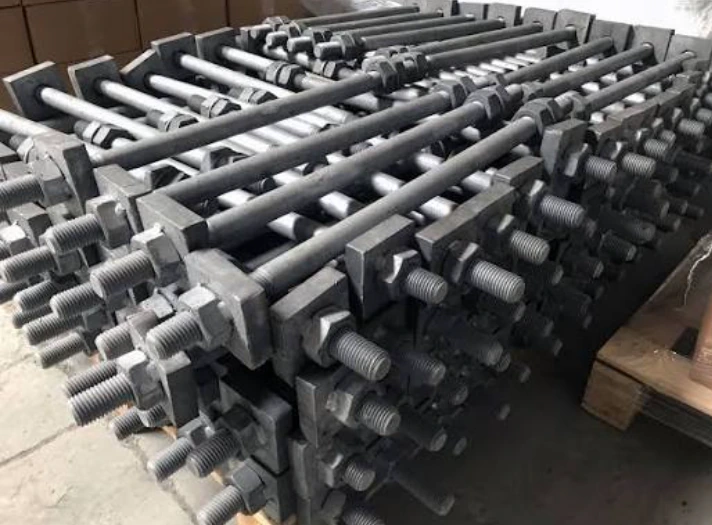
Anchor bolt batches
Batch treatment with thread and finish inspection.
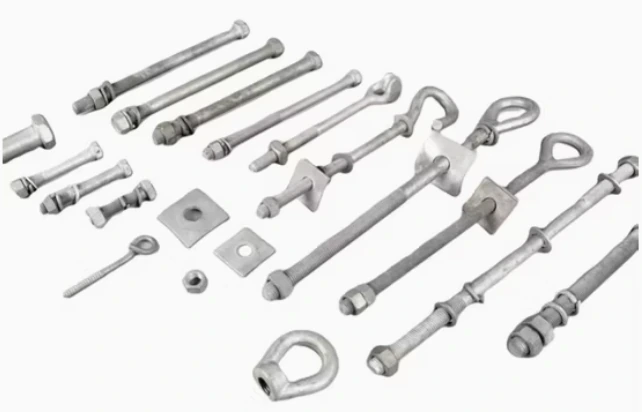
Range of geometries
Galvanized bolts and anchors ready for assembly.
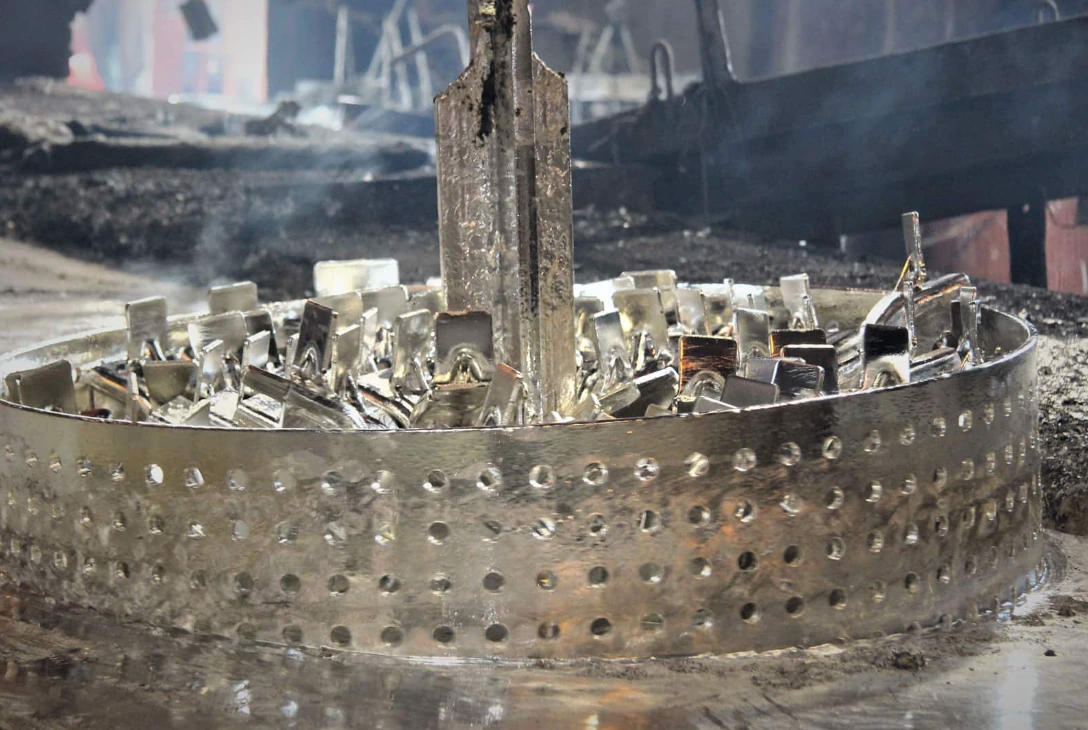
Withdrawal from the zinc bath
Industrial immersion process in molten zinc.
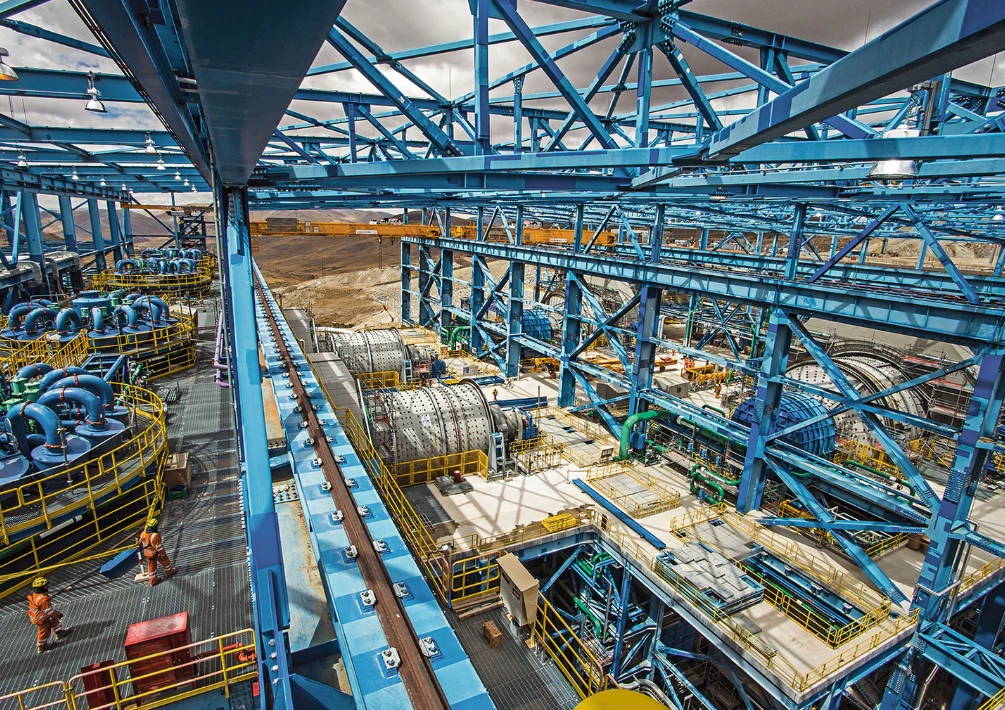
Mining infrastructure
Severe industrial exposure and long maintenance cycles.
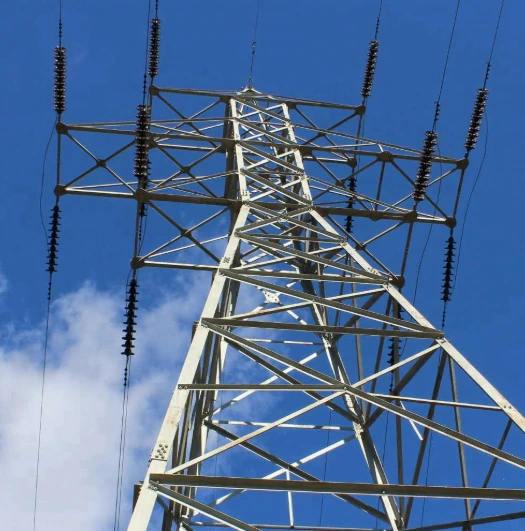
Electrical infrastructure
Open structures permanently exposed to the weather.
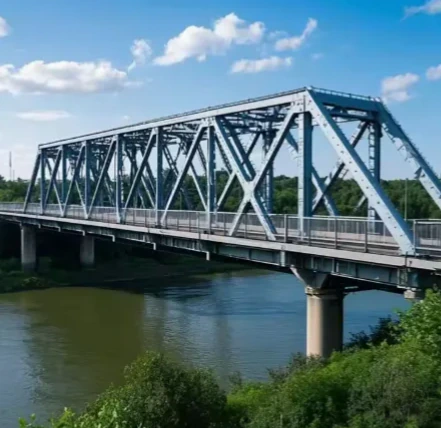
Bridges and transport
Protection of critical structures in outdoor environments.
ENGINEERING APPLIED TO YOUR PROJECT
Need hot-dip galvanizing for your project?
Send us specifications, quantities and exposure conditions. Our technical team will help you define the right system.